In a rare moment of national unity, members of both major political tribes have reached full agreement on the integrity of American elections. The process, they agree, is sound, secure and a shining example to the world. It is also, they agree, a corrupt sham. Which of these is true depends entirely on who won.
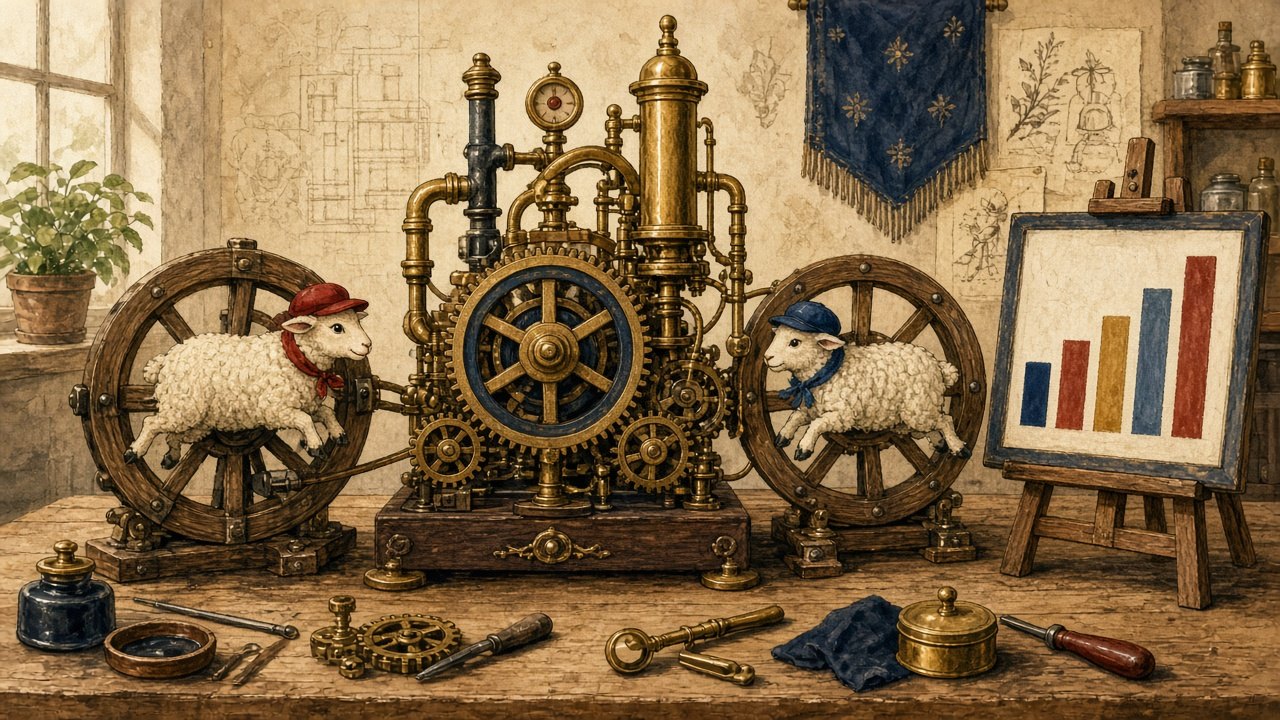
The breakthrough was documented by the Institute for Advanced Shrugging, which does not exist, using its Bipartisan Legitimacy Thermometer, which exists even less. Researchers asked the same voters the same question, “How much do you trust the count?”, the week before and the week after an election. The thermometer did not measure trust. It measured the score.
The experts adjust first
As always, the most sophisticated specimens recalibrated fastest.
Within hours of a loss, credentialed members of the defeated tribe produced long, well-sourced threads. They did not claim the election was stolen. They were too smart for that. They noted “serious questions.” They observed “irregularities that deserve scrutiny.” They pointed out that “it is not a conspiracy theory to ask.” Within hours of a win, credentialed members of the same tribe produced equally long threads explaining that anyone raising questions about an election was undermining democracy itself.
“They did not claim the election was stolen. They were too smart for that. They noted “serious questions.””
“The intelligence isn’t the problem,” said Dr. Elle Ectoral, a fictional political scientist who has studied the phenomenon in both herds. “The intelligence is the delivery system. A smart person can find a reason to doubt any result, and an equally good reason to trust it. What he can’t do is notice that the result picked which one he found.”
Her colleague Dr. Rhea Count, also fictional, put it more bluntly. “We ran the numbers both ways. When their side loses, it’s a crisis of legitimacy. When our side loses, it’s a crisis of legitimacy. When either side wins, it’s the will of the people. The will of the people is very popular with the people it agrees with.”
Perfect symmetry
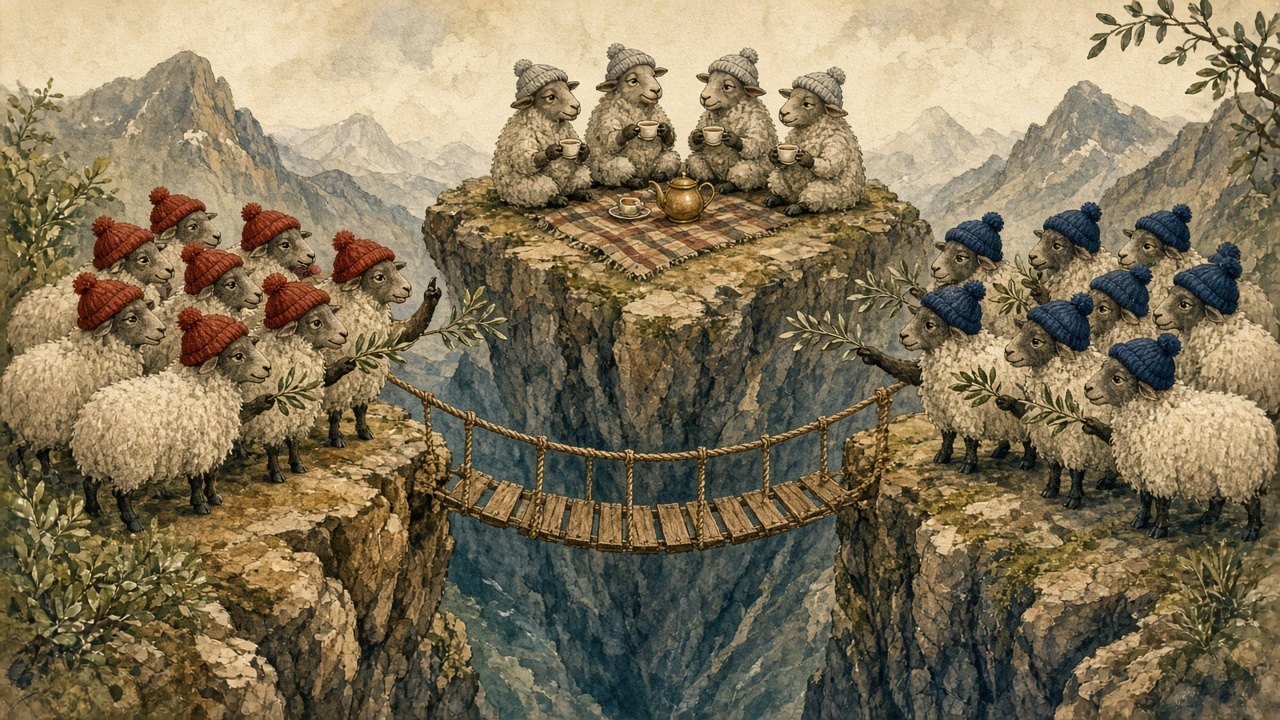
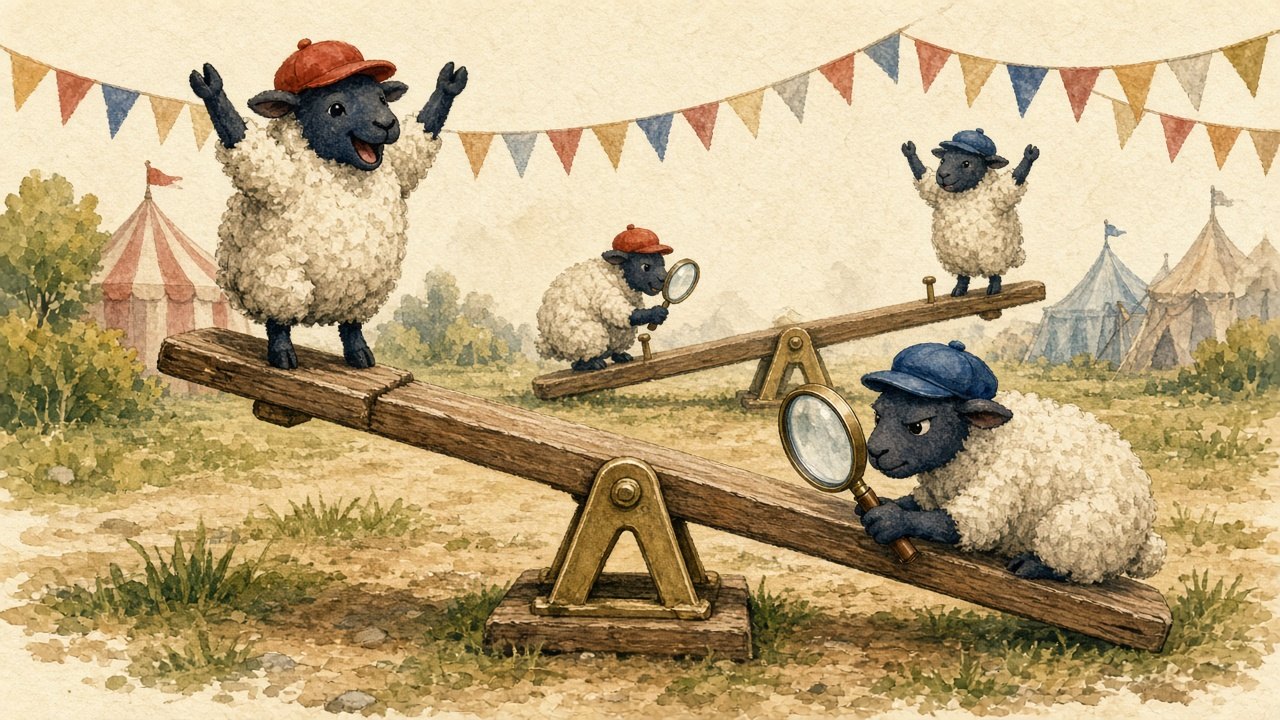
The study’s most important finding was its symmetry. The Red-Capped and Blue-Capped herds produced mirror-image results so precise that researchers initially suspected a copying error.
Each herd, after a win, used the words secure, decisive and the people have spoken. Each herd, after a loss, used the words questions, suppression, interference and the system. The vocabulary was not partisan. It was seasonal, like coats.
Each herd also had a ready explanation for the other’s doubts. When the other side questioned a result, it was sore losing, dangerous and probably funded by someone. When one’s own side questioned a result, it was vigilance. Same behavior, same week, opposite moral weather.
Threat level: whatever raises money
The question, as always, is who profits.
Election integrity is the perfect fundraising subject because it never resolves. A herd that just won must be warned that the other side will try to steal the next one. A herd that just lost must be told the last one was stolen. Either way, the deadline is midnight, the threat is existential, and the suggested contribution is modest. Researchers collected fundraising emails from both tribes and found that, with the colors removed, test readers could not reliably tell which party had sent them. Several readers donated anyway.
The emails demand maximum alarm and zero specific action beyond a donation and a share. A threat that asks you to do nothing except feel it, and pay for it, is not information. It is a subscription.
The thermometer in your pocket
Readers of this magazine are by now feeling comfortably superior to both herds. We would note that this, too, is a reading on the thermometer.
Ask yourself honestly: the last time your side lost, how much did you trust the count? And the last time it won? If the two answers are different, and nothing about the counting changed, then you have learned something about the thermometer, and it is in your pocket.
None of this means every complaint about an election is false. Some are worth investigating, and courts, recounts and audits exist precisely for that. That is the point. A process that is legitimate only when it hands you the trophy is not a process you believe in. It is a scoreboard you are willing to unplug.
A modest proposal
Dr. Ectoral’s team has recommended a simple reform. Before each election, every voter should write down two things: what evidence would convince them the result was stolen, and what evidence would convince them it wasn’t. They seal the envelope. After the results come in, they open it.
In the pilot, most participants refused to fill it out. A few did, and opened their envelopes afterward. The researchers noticed something unusual about them. They were disappointed, or relieved, like everyone else. But they did not need to be told what to think about the count. They had already decided, back when they did not know the score.
Satire This article is a work of comedy. Theodore Quagmire, Inés Telefoto, Dr. Elle Ectoral, Dr. Rhea Count, the Institute for Advanced Shrugging, the Bipartisan Legitimacy Thermometer and the Desk of Persuasion are fictional, and the poll is made up. No real election, official or claim is described. The illustration is AI-generated and shows no real person. National Sarcastic is not affiliated with National Geographic.